Artificial Intelligence (AI) in Education

Artificial intelligence is becoming part of how students, staff, and school systems encounter information, communication, and work. As schools and districts in Nebraska navigate these shifts, leaders are making local decisions about where AI may fit, where guardrails are needed, and where its use may not be appropriate. Nebraska's tradition of local control means those decisions are best made by local leadership teams in partnership with their communities, not through a prescribed approach. This page offers curated resources to help schools and districts explore options, build shared understanding, and make intentional, safe, ethical, accessible, and effective decisions that align with local priorities.


How to Use This Page: The sections below represent connected areas of leadership, not a fixed sequence or checklist to complete. Begin where your local needs are most immediate, and revisit sections as your understanding, priorities, policies, and practices evolve.


Supporting Local Conversations About AI
A Leadership Team Reflection Guide for K-12 Schools and Districts

Use this companion guide individually or with your leadership team to reflect on your current approach to AI-related decision-making, explore the connected areas below, and identify one reasonable next step.


AI Policy and Guidance Resources

Responsible AI use requires both policy and guidance, but they are not the same. Policy establishes formal requirements and protections, while guidance helps students and staff understand how those expectations apply in daily practice and can evolve with local experience.


START HERE: Explore the difference between AI policy and AI guidance here, then use the resources below to clarify responsibilities, engage stakeholders, manage risk, and support safe, thoughtful local decision-making.

Free Online Courses to Learn About AI

Building shared understanding helps leaders, educators, and other stakeholders participate meaningfully in local AI decisions. Use these free courses to strengthen foundational knowledge of AI concepts, opportunities, limitations, risks, and classroom implications. This learning can occur alongside the development and continued refinement of local policy and guidance.

School and District Implementation Examples

Schools and districts do not need to develop their local approach in isolation. Use these examples to examine how other systems communicate expectations, support staff learning, address student use, and align AI-related decisions with their local context and priorities. Treat them as sources of ideas rather than templates to adopt without local discussion.

Procurement and Vetting for Use

Choosing AI tools, AI-enabled technologies, or instructional materials with AI components requires more than reviewing features and cost. Use these resources to evaluate instructional value, data privacy, security, accessibility, transparency, evidence, and vendor claims before approving or purchasing a product. A thoughtful review may lead a school or district to adopt, limit, delay, or decline a particular use.

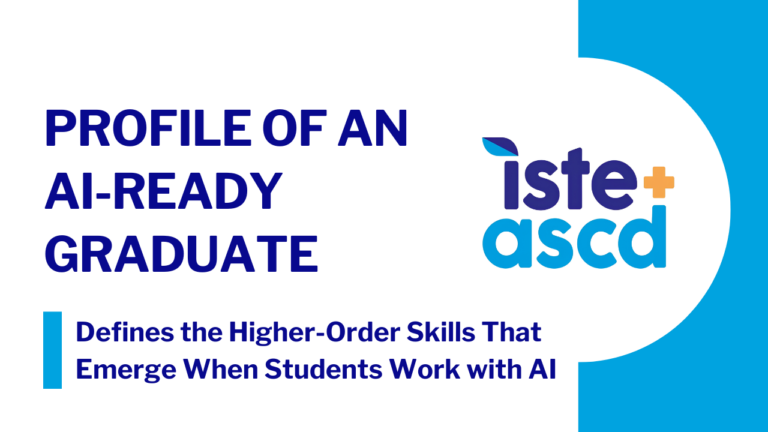
AI Literacy Frameworks

AI literacy is more than knowing how to use a tool. It includes understanding how AI works, recognizing when it may be useful or risky, and engaging with it critically, responsibly, and creatively.


Use these frameworks to establish shared language and identify the knowledge, skills, and dispositions your school or district may want students and adults to develop.
AI Literacy in Practice

AI literacy becomes meaningful when it shapes what educators and students learn, discuss, and practice. Use these resources to explore lessons, professional learning, and conversation tools related to responsible use, critical evaluation, privacy, bias, academic integrity, creativity, and AI’s changing role in learning. Select and adapt what aligns with your local goals, learners, and context.

AI USE EXPECTATIONS AND ACADEMIC INTEGRITY

Clear, assignment-level expectations help students understand when AI use is permitted, limited, or prohibited and how that use should be acknowledged. Use these resources to develop classroom guidance, teach appropriate attribution, and respond to suspected misuse with care, evidence, and professional judgment.


Some examples were developed for postsecondary settings and should be adapted to local K-12 policies, grade levels, and instructional goals.

AI SPEAKERS, AUTHORS, AND THOUGHT PARTNERS

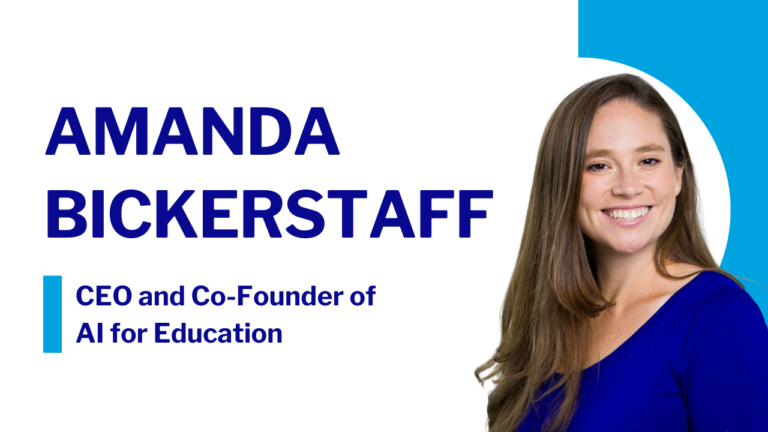
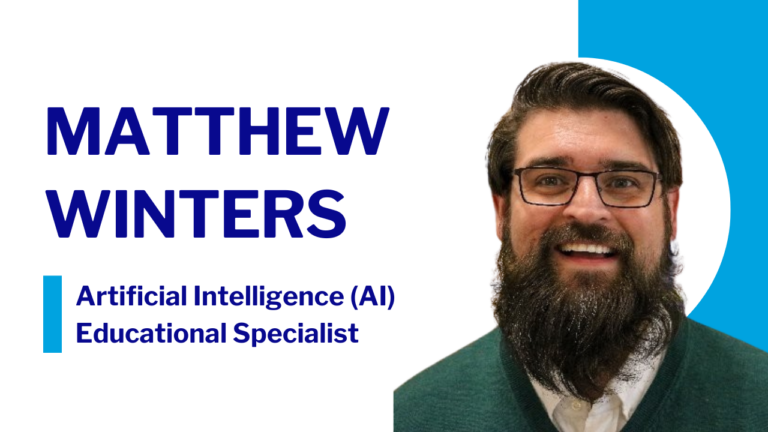
Schools and districts do not need to begin this work with all the necessary expertise already in place. Consider connecting with your local ESU or one of the speaker/consultants listed below for support in launching professional learning, facilitating leadership conversations, and guiding early planning as local teams build the knowledge and capacity to sustain the work over time.


Inclusion on this page is intended to help leaders identify potential sources of support and does not constitute a formal endorsement of any individual, organization, product, or service.

Relevant Research, Reports, and Articles

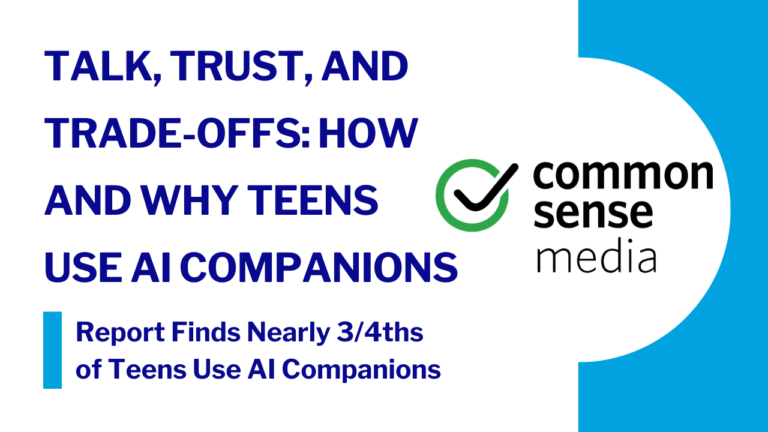
AI in education continues to evolve, and responsible local decision-making benefits from current research, national guidance, and emerging lessons from the field. Use these readings to deepen conversations about AI literacy, privacy, bias, academic integrity, workforce readiness, student use, and the broader implications of AI for teaching and learning.


This section is reviewed quarterly and updated as new evidence, technologies, and conditions emerge.

Connecting AI to Graduate Outcomes

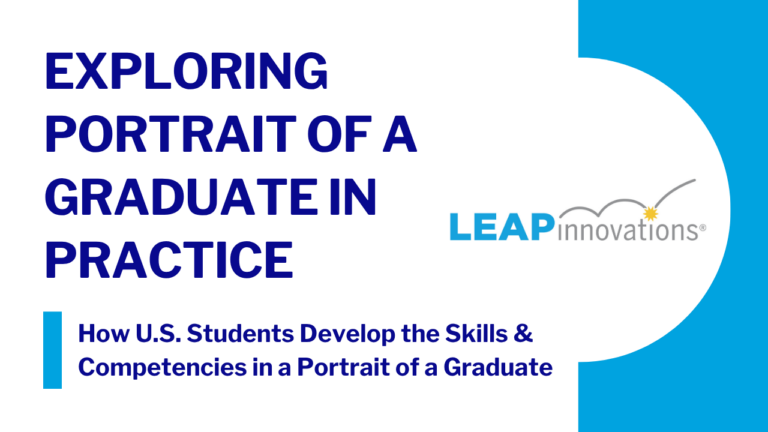
One of the most important considerations in navigating AI is clearly communicating the “why” behind the work. Schools and districts may ground that purpose in their strategic plans, mission, vision, core beliefs, or other locally established priorities. In many parts of the country, portrait and profile documents are also being used to describe what graduates should know, value, and be able to do as they enter postsecondary education, the workforce, and their communities.

Use these examples to spark conversation about the outcomes your community values and how AI literacy, judgment, creativity, communication, and other capabilities might contribute to them. Some districts may choose to develop a portrait or profile of their own, while others may use these examples to strengthen existing plans and priorities. In either case, the purpose of including these resources here is to encourage and support how local decisions about AI are guided by desired outcomes for students, not by the technology itself.

Resource Disclaimer

Resources and external links on this page are provided for information and convenience and include Nebraska-developed materials alongside selected examples from other organizations, institutions, and vendors. Inclusion does not constitute endorsement, recommendation, certification, or preference by SupportED, NDE, ESUCC, or the State of Nebraska, and this collection is not exhaustive. External content is controlled by its respective owners and may change without notice. Users are responsible for independently evaluating resources and for decisions or actions taken in reliance on them, consistent with applicable laws, local policies, contractual obligations, and community priorities. To the fullest extent permitted by law, SupportED, NDE, ESUCC, and the State of Nebraska disclaim responsibility for resulting decisions, actions, or outcomes.

SupportEd Logo
ESUCC Logo