This page is currently under construction. Please revisit this resource after July 6, 2026 for an update.
Artificial Intelligence (AI) in Education
Artificial intelligence is quickly becoming part of how educators plan, teach, communicate, and support student learning. This page brings together resources to help Nebraska schools explore AI responsibly, build shared understanding, and make thoughtful decisions that keep students, educators, and learning at the center.
AI use in schools requires more than individual tool exploration; it calls for clear expectations, shared language, and thoughtful local decision-making.
These resources can help school and district teams begin conversations around responsible use, risk management, educator guidance, student safety, and implementation planning.
Schools do not need to start from scratch when developing their local approach to AI. These examples offer a look at how other schools and districts are communicating expectations, supporting staff learning, and creating guidance that reflects their local context.
AI literacy is not simply about knowing how to use an AI tool. It includes understanding how AI works, when it may be helpful, where it may create risks, and how students and educators can use it responsibly, critically, and creatively.
The frameworks below can help schools organize their thinking and build a shared foundation for AI-related learning.
Once schools have a framework for AI literacy, the next step is identifying what educators and students should actually learn, discuss, and practice.
These resources can support classroom lessons, staff conversations, and professional learning around responsible AI use, critical evaluation, privacy, bias, academic integrity, creativity, and the changing role of AI in learning.
Ongoing learning is essential because AI tools, risks, and classroom implications continue to evolve.
These free courses can help educators, leaders, and school teams build foundational understanding and develop the confidence needed to engage in local AI conversations more thoughtfully.
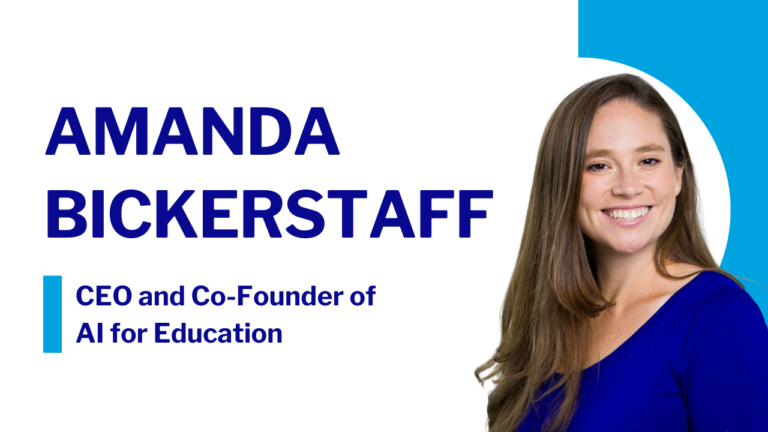
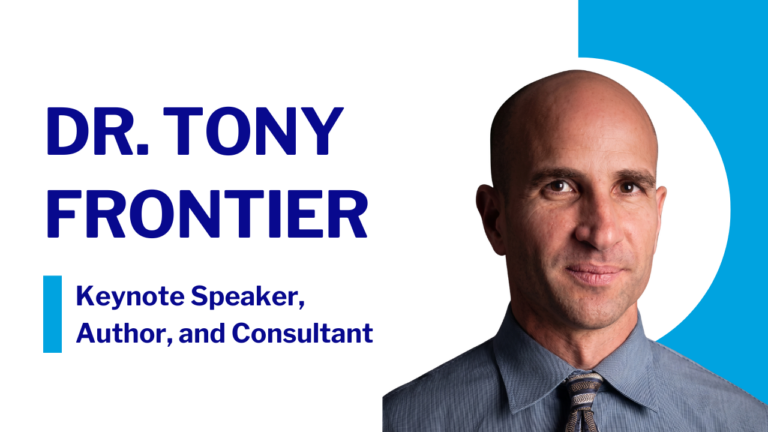
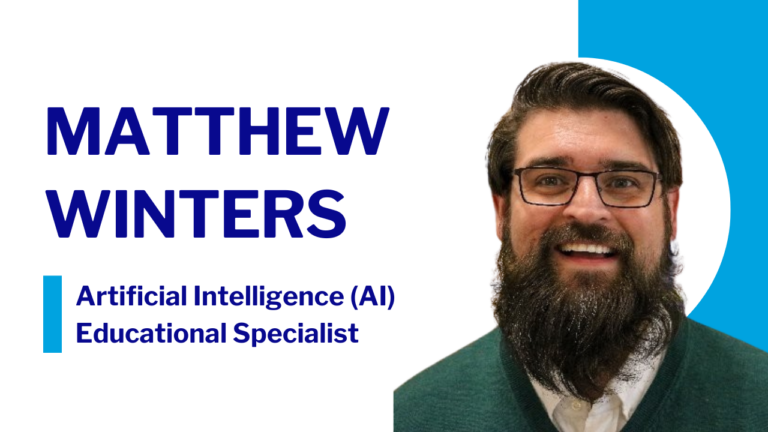
Some schools and organizations may benefit from an external voice to support professional learning, leadership conversations, or local planning around AI. The individuals and organizations in this section offer perspectives that can help schools think more deeply about AI literacy, instructional practice, responsible use, policy, and systems-level implementation.
Inclusion on this page is intended to help educators discover relevant voices and resources and does not represent a formal endorsement of any individual, organization, product, or service.
AI in education is changing quickly, and local decisions are stronger when they are informed by current research, national guidance, and emerging lessons from the field.
These readings can support deeper exploration of AI literacy, privacy, bias, academic integrity, workforce readiness, student use, and the broader implications of AI for teaching and learning.