Digital Citizenship in Nebraska

What Digital Citizenship Means for Nebraska Schools

Today’s students live, learn, and build relationships in a world increasingly shaped by technology and artificial intelligence. Digital citizenship helps them develop the knowledge, skills, and habits needed to navigate that world thoughtfully, safely, critically, and responsibly.

This page brings together Nebraska’s shared digital citizenship framework, practical resources, professional learning, and opportunities for students, educators, schools, and families.

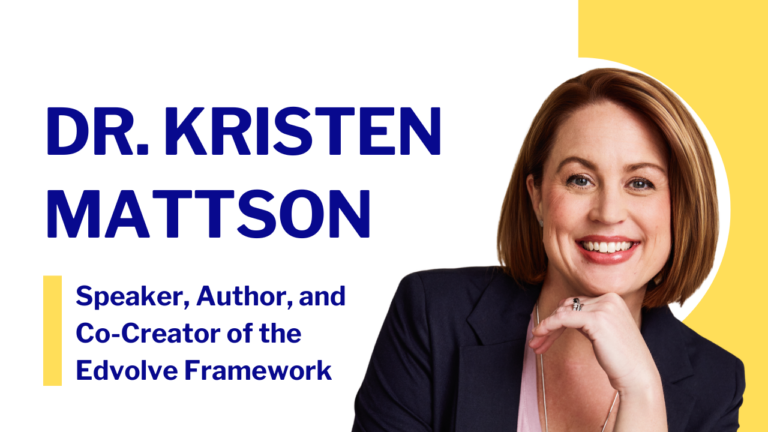
In this video, Dr. Kristen Mattson describes digital citizenship as the intersection of technology and humanity. She explains how the Edvolve Digital Citizenship Framework gives Nebraska schools a shared foundation for this work and explores the four strands that prepare students to navigate an increasingly digital world thoughtfully, safely, and responsibly.

Nebraska’s Shared Digital Citizenship Framework

Schools across Nebraska are already helping students navigate technology thoughtfully, safely, and responsibly. Developed by Dr. Kristen Mattson and Dr. LeeAnn Lindsey, the Edvolve Digital Citizenship Framework provides a shared language for connecting those efforts and considering digital citizenship as more than a single lesson or technology-related initiative.

The Nebraska Department of Education and the ESU Coordinating Council use this framework to support greater coherence across the state while preserving local decision-making. Schools and districts can apply it according to the needs, priorities, and context of their own communities.

Digital Safety

Students learn to protect themselves and others by understanding digital rules, managing personal data, and recognizing unsafe or misleading online behavior.

Explore Digital Safety Resources

Media and Information Literacy

Students develop the skills to search effectively, evaluate information and media for credibility and bias, and create content responsibly.

Explore Media and Information Literacy Resources

Digital Well-Being

Students learn to balance their digital lives with their social, emotional, and physical health while navigating relationships and identity in online spaces.

Explore Digital Well-Being Resources

Social Responsibility

Students explore how technology shapes communities and equity, using digital tools ethically and collaboratively to engage, advocate, and contribute to positive change.

Explore Social Responsibility Resources

These Four Strands Work Together

Real-world digital experiences rarely fit within only one strand. A single situation may involve safety, information literacy, well-being, and social responsibility at the same time.

Artificial intelligence is one example. AI is not a separate fifth strand of digital citizenship. Instead, it introduces new questions across all four strands from privacy and accuracy to relationships, fairness, authorship, and responsible use.

Digital Citizenship in Action Across Nebraska

A shared framework becomes meaningful when students, educators, schools, and communities use it to examine real challenges and take thoughtful action. Across Nebraska, digital citizenship is coming to life through student leadership, professional learning, statewide collaboration, and locally developed projects.

Nebraska Digital Citizenship Symposium

At the Nebraska Digital Citizenship Symposium, middle and high school students work in school teams to explore the opportunities, risks, and responsibilities associated with digital citizenship and AI.

Students considered questions involving privacy, trustworthy information, relationships, well-being, and ethical technology use before developing projects, plans, and resources to support conversations in their own school communities. Their work demonstrates how the four strands of digital citizenship can help students examine emerging technologies from multiple perspectives.

This video highlights the 2025 Nebraska Digital Citizenship Symposium, where students applied the four strands of digital citizenship to questions surrounding AI companions and developed ways to support thoughtful local conversations and action.

Statewide Learning for Nebraska Educators

During the 2026–27 school year, NDE and the ESUCC are excited to host Dr. Kristen Mattson who will lead a four-part professional learning series centered on the Edvolve Digital Citizenship Framework.

Each session will examine one of the framework’s four strands and help Nebraska educators consider how digital citizenship can be integrated into classrooms, schools, and local decision-making.

Webinar Schedule:
Digital Safety

Tuesday, September 1, 2026, from 3:00–3:45 p.m. CT

Media and Info Literacy

Tuesday, October 27, 2026, from 3:00–3:45 p.m. CT

Social Responsibility

 Tuesday, February 16, 2027, from 3:00–3:45 p.m. CT

Digital Well-Being

Tuesday, April 27, 2027, from 3:00–3:45 p.m. CT

Participants may attend individual sessions or engage in the complete series to develop a broader understanding of the framework.

Find Resources That Fit Your Work

Digital citizenship develops over time as students encounter new technologies, assume greater independence, and consider increasingly complex questions about information, identity, relationships, safety, equity, and responsibility.

The collections below are organized by grade level and audience to help educators find age-appropriate lessons, professional learning, research, and conversation supports. Together, they can contribute to a coherent progression of digital citizenship learning rather than a series of isolated lessons or responses to individual technologies.

Jump to a Resource Collection:

Middle School Lessons and Learning Resources

As students become more independent online, they can begin examining how platforms, algorithms, data collection, and digital media influence their choices. These resources support learning about source credibility, synthetic content, online relationships, well-being, accessibility, and responsible AI use.

Speakers, Presenters, and Consultants

Schools and education organizations may benefit from outside perspectives that deepen local conversations, support professional learning, or guide broader planning. Begin with your local ESU or explore additional individuals and organizations with expertise in digital citizenship and related topics.

Inclusion on this page is intended to support discovery and does not represent a formal endorsement by SupportED, NDE, ESUCC, or the State of Nebraska.

Resource Disclaimer

Resources and external links on this page are provided for information and convenience and include Nebraska-developed materials alongside selected examples from other organizations, institutions, and vendors. Inclusion does not constitute endorsement, recommendation, certification, or preference by SupportED, NDE, ESUCC, or the State of Nebraska, and this collection is not exhaustive. External content is controlled by its respective owners and may change without notice. Users are responsible for independently evaluating resources and for decisions or actions taken in reliance on them, consistent with applicable laws, local policies, contractual obligations, and community priorities. To the fullest extent permitted by law, SupportED, NDE, ESUCC, and the State of Nebraska disclaim responsibility for resulting decisions, actions, or outcomes.
SupportEd Logo
ESUCC Logo